Publised on Nov 23, 2026


Every business owner has a list. It lives in a notebook, a notes app or the back of their mind, and it contains the things they fully intend to do when things calm down. For many of us, near the top sits a design job. A logo that has outlived its usefulness. A website that no longer says what the business does. A brochure that still carries a phone number from three years ago. A set of social media graphics that were meant to be consistent and somehow never were.
It is now the second week of November, and the final weeks of 2026 are within sight. If your design and branding jobs are still on that list, you are in good company. Most of the businesses I speak to have a version of the same story. Clients needed attention, deadlines shifted, something urgent landed on the desk, and the important thing slid quietly down to next month.
The encouraging part is that there is still time to change the pattern. I am not suggesting you cram a year of ambition into a handful of weeks. I am suggesting that you use the time between now and January well, so that 2027 starts with your brand already in hand rather than still on the to-do list. If you would like to talk it over, you are always welcome to get in touch with me, Melvyn, at Gigaflux. A first conversation costs nothing and usually makes the whole thing feel far more manageable.
The design jobs that quietly slip down the list

Branding work is particularly easy to postpone, and there is a good reason for it. It is rarely urgent. Nobody phones to complain that your logo is slightly tired. Nothing breaks. The business keeps trading, and so the project gets filed under “important but not today”, which is exactly the category where good intentions go to wait.
The jobs I see delayed most often tend to follow a pattern. Some businesses have never had a proper identity designed and have been getting by with something put together quickly at the start. Others have a perfectly good logo but no brand guidelines, so every new leaflet, post and presentation looks slightly different. Some have grown into a different kind of business and are still presenting themselves as the one they used to be. And many have simply never found the time to brief someone properly.
If any of that sounds familiar, it is worth asking yourself why the project has not happened. The honest answer is usually more useful than the polite one. Was it cost, time, uncertainty about what you wanted, or a worry that a change might alienate existing customers? Each of those is a solvable problem, but only if you name it.
What waiting actually costs
It is easy to assume that nothing is lost by leaving a design project for another few months. In reality, the cost is just harder to see, because it never arrives as an invoice.
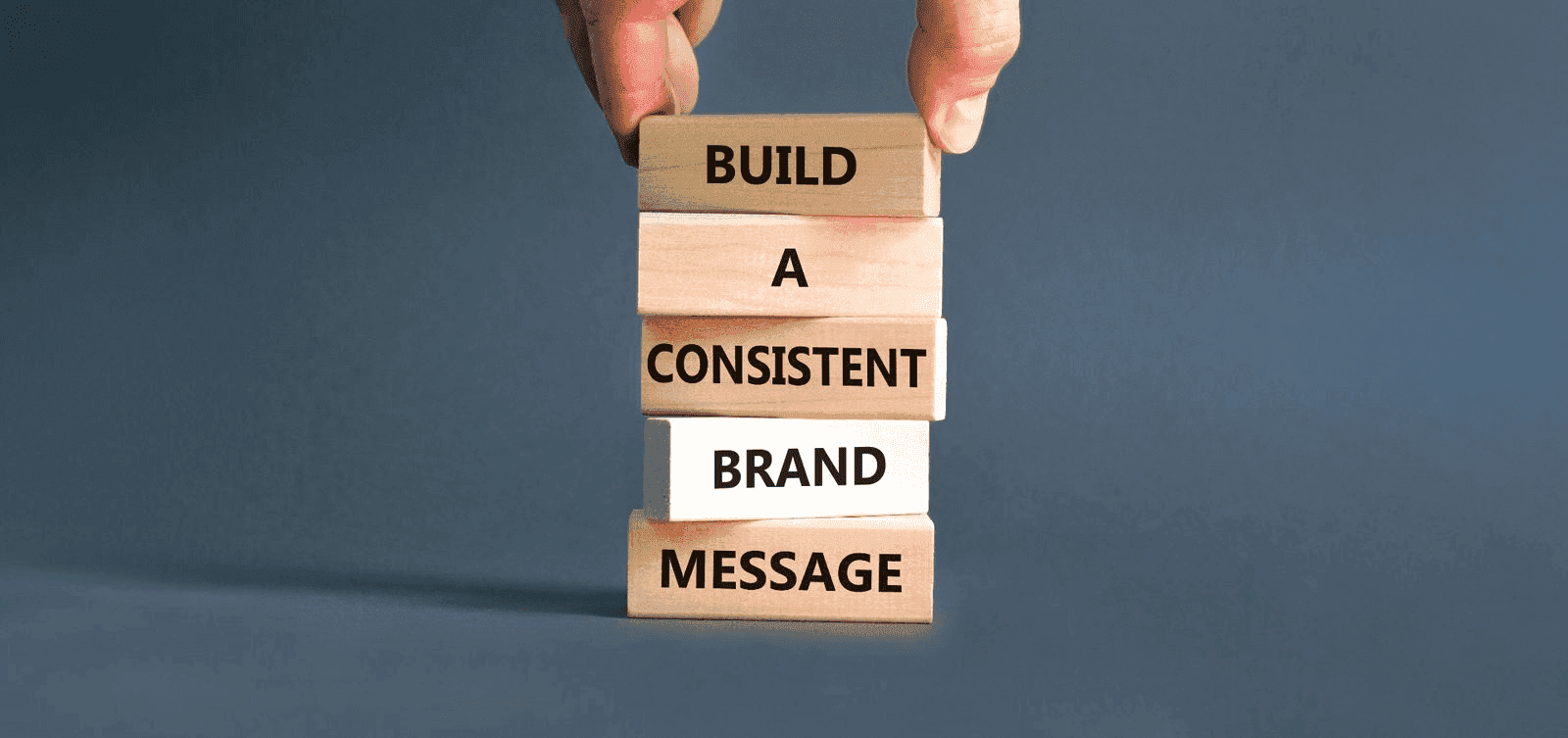
An inconsistent or dated brand makes a quiet impression every time someone encounters it. A prospective customer looks at your website, then your social media, then a proposal, and notices that the three do not quite belong to the same business. They may not be able to say what is wrong, but they come away with a faint sense that you are less established or less careful than you actually are. That sense is expensive, because it shapes who picks up the phone and who moves on to the next option.
Then there is the internal cost. Every time you hand over a business card you are slightly embarrassed by, or apologise for a presentation that does not look right, a small amount of your confidence in your own business leaks away. Owners who finally sort their branding often tell me the biggest change was not what customers noticed. It was how they themselves felt about putting the business in front of people.
And there is the opportunity cost. If you have been meaning to reach a different audience, charge more for your services or launch something new, your brand is the first thing that audience will judge. Delaying the design delays all of that.

Why November is a smarter time to start than January
January feels like the natural moment for a fresh start, but I would gently argue that it is not the best moment to begin a design project. The calendar changes, yet you are still the same busy person with the same full inbox, and the first weeks of a year tend to disappear into catching up. If you wait until then to start thinking about your brand, you may spend most of January just getting organised.
November offers a genuine head start. You can review what has worked this year and what has not while the evidence is still fresh. You can decide what you actually want your brand to do, calmly, rather than in a rush. You can set a budget before a new financial year puts pressure on it. And you can find the right designer before their diary fills up, which matters more than most people realise, because good designers book ahead and the early weeks of the year are often busy with clients who had the same idea.
There is a practical advantage too, particularly if print is involved. Anything that needs to be printed, from stationery to brochures to signage, comes with production lead times, and those stretch further around the holidays. Starting the thinking now means you are not asking a printer for a quick turnaround in the first week of January.
December then becomes the quiet middle of the process, a time for concepts, feedback and refinement while the rest of the world slows down. By the time January arrives, you have made the decisions and done the groundwork, and you can launch rather than just begin.
Choosing the one project that matters most
Here is a piece of advice I give almost every client who talks to me at this time of year. Do not try to fix everything. Pick the single piece of design work that would make the biggest difference to your business in 2027, and give it your full attention.
For some businesses, that is a new logo and identity, because the existing one genuinely no longer represents them. For others it is a brand refresh, keeping the recognisable parts and improving the rest, something I explored in my article on brand refresh versus rebrand. For others still, the biggest win is a clear set of brand guidelines and a handful of well-built templates, so that everything they produce from then on looks consistent without anyone having to think about it. Or it might be a website redesign, a new range of packaging, a printed brochure, or a coherent set of social media graphics.
The right choice depends on what you want the work to achieve. Do you want more enquiries, a stronger reputation, higher prices, or an easier time explaining what you do? Knowing that, and being honest about it, is the most valuable thing you can bring to a first conversation with a designer. As I wrote in my piece on why you are not paying a designer to make things look nice, a good brief starts with the problem rather than the item you think you want. The clearer that problem is, the better the solution will be.
Common reasons for waiting, and what to do about them
Most delays come down to a handful of worries, and it helps to deal with them openly.
If your worry is that you do not know what you want, you are in a better position than you think. You do not need a finished idea. You need to know what is not working and what you would like to be different. A good designer will help you shape the rest, and asking the right questions is a big part of what you are paying for.
If your worry is time, remember that the design process need not swallow your diary. The parts that need you, such as a briefing conversation and feedback on concepts, are relatively small. The creative work itself happens elsewhere, and a well-organised project asks for your attention at specific moments rather than constantly.
If your worry is budget, the answer is to talk about it early rather than avoid the conversation. A designer can often suggest a phased approach, starting with the foundations and building the rest over time, so that you are not forced into one large outlay. It also helps to compare the price of the project with the cost of continuing with something that is holding the business back.
If your worry is that changing the brand might confuse existing customers, that is a fair concern and worth taking seriously. The reassuring truth is that good brand work is rarely about throwing everything out. It is about keeping what already has value and improving what does not, and an experienced designer will protect the recognisable parts of your identity while making the whole thing work harder.
And if your worry is that it will never be perfect, I would suggest that done well beats perfect and delayed. A strong, consistent brand launched in the new year will do far more for your business than a theoretically flawless one that never leaves your head.
A realistic way to use the next few weeks
Intention is easy. Action is where projects tend to stall, so here is how the coming weeks might look in practice.
In November, you pick your priority project and get clear on what you want it to achieve. You gather what you already have, including old logos, files, examples of work you admire and examples of things you dislike, and you get in touch with a designer to talk it through. This is the stage where the thinking happens, and it is the most important part.
In December, you agree the scope and the timetable, and the designer begins developing ideas. You review early concepts, give feedback and refine the direction. Because the rest of the world tends to quieten down at that time of year, it is often an unexpectedly productive month for creative work.
In January, you aim for a realistic launch rather than a rushed one. That might mean new stationery and a refreshed website going live together, or a set of brand guidelines being shared with your team. None of this requires a giant leap. It requires a series of small, deliberate decisions made at the right moment, and a diary entry that gives the project real time.

Frequently asked questions
When should I start planning a branding or design project?
Earlier than feels necessary. Planning in November gives you time to think properly, find the right designer and allow for production lead times, so you can launch in the new year instead of beginning it.
How do I know whether I need a new logo or just a refresh?
If your business has changed fundamentally, a new identity may be justified. If the core idea still works but looks dated or inconsistent, a refresh is usually the more sensible and economical route.
How long does a brand design project take?
It depends on the scope. A logo and basic identity can take several weeks, while a full identity with guidelines, stationery and a website takes longer. A good designer will give you a realistic timetable at the outset.
What should I prepare before contacting a designer?
Think about the problem you want to solve, who you are trying to reach, and examples of work you like or dislike. You do not need a polished brief. A clear conversation is a very good place to begin.
Do not let another year slip by
You do not need every answer today, and you certainly do not need to add twenty more things to your list. You do need to decide what matters. The design project you have been putting off might be worth carrying forward into 2027, or it might be something you are happy to let go. Either way, the skill is in making a decision rather than letting the calendar make it for you.
If your brand has been waiting for attention, now is a good moment to give it some. At Gigaflux, I work with businesses to turn vague intentions into clear, well-designed identities, and I would love to hear about yours. Visit gigaflux.co.uk and get in touch to tell me what you have been meaning to do, and we can work out together how to make it happen. Supporting an independent designer who genuinely cares about your business is a good investment, and starting the conversation now means that when January arrives, you could already be well on your way.